Microphone Legends: The Gear Behind the Industry's Biggest Voices
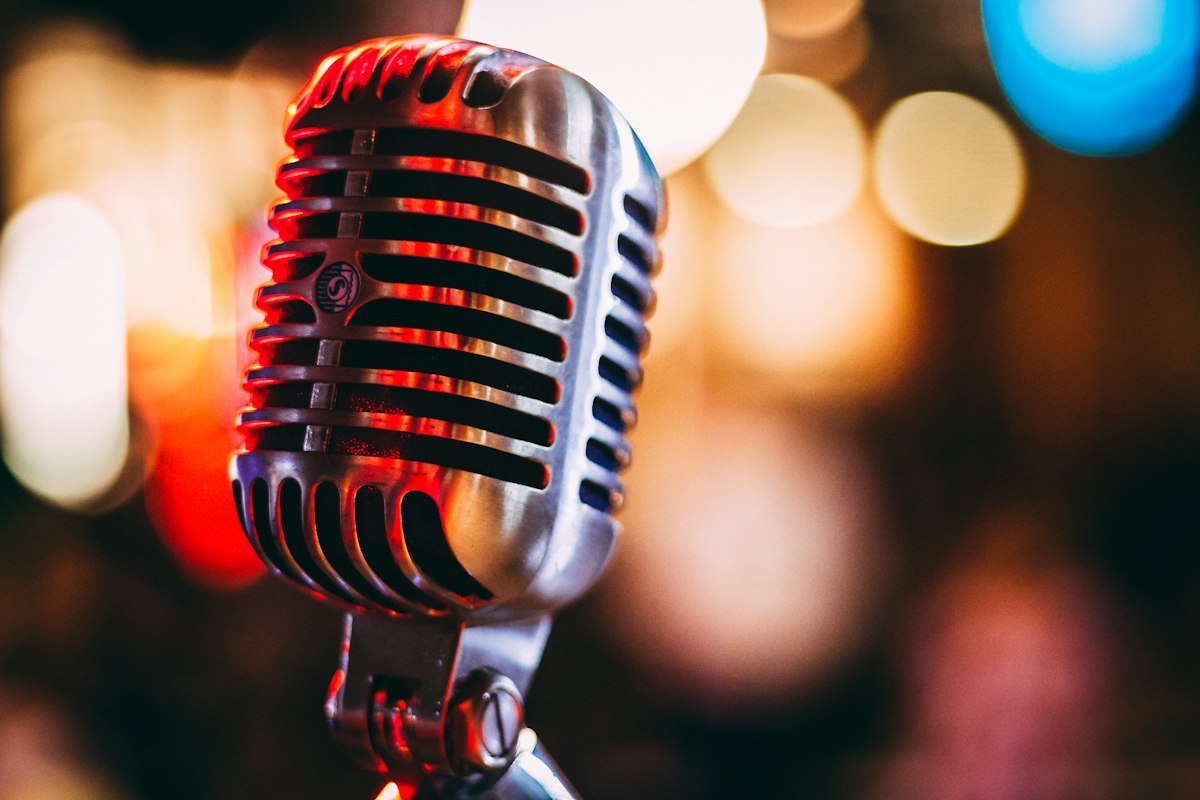
Every iconic voice you’ve ever heard through a speaker was first captured through a microphone. The microphone is the first critical decision in the audio chain — the lens through which your voice, your instrument, or your environment is translated from acoustic energy into electrical signal. Choose it wrong and no amount of downstream processing will save you.
But the relationship between a great microphone and a great sound is more intimate than pure technicality. The best microphones have personalities. They make choices about what to emphasize and what to let go. And those choices shape the character of everything recorded through them.
The Broadcast Titans
Shure SM7B
No microphone has been name-dropped in studio tours more times in the last decade than the SM7B. Originally designed for broadcast radio — it was used to record Michael Jackson’s vocals on Thriller — it found a second life as the default recommendation for podcasters who want to sound professional.
The SM7B is a dynamic microphone, which means it is inherently less sensitive than condenser alternatives. This is its primary virtue in podcast applications: it rejects off-axis sound aggressively, making it relatively forgiving of untreated rooms. Its frequency response has a gentle presence boost in the upper midrange that adds clarity to voice without adding harshness.
Its weakness is that it needs significant gain — typically 60–70 dB — which means you need a quality preamp or interface to drive it properly. Pair it with a Cloudlifter or a preamp with substantial headroom.
Electro-Voice RE20
The RE20 is the other classic of broadcast radio, and it is a more sophisticated piece of engineering than its price point suggests. Its variable-D design eliminates the proximity effect that makes most microphones sound bloated and unnatural when placed close. This means the RE20 sounds consistent whether you’re working at 4 inches or 12.
It has a slightly darker character than the SM7B — less presence boost, more fundamental weight. Hosts with naturally thin or bright voices often prefer the RE20 for this reason. It adds body. It sounds like the room is the studio you wished you had.
The Condenser Icons
Neumann U87
The U87 is the most recorded microphone in history. It appears on more hit records, more broadcast studios, more high-end podcast setups than any other microphone on earth. Its sound is the definition of “professional”: wide, open, detailed, with a gentle high-frequency air that makes everything it records sound important.
It requires a treated environment. Its sensitivity picks up everything — every air conditioner rumble, every computer fan, every creak of a chair. In the right room, through the right preamp, it is transcendent.
AKG C414
The C414 is the working engineer’s Swiss Army knife. Nine polar patterns, three pad settings, three high-pass filter settings. It can be reconfigured for almost any recording application. Its sound is neutral and transparent in a way that lets the source speak for itself.
For voices that are already compelling, the C414 steps back and lets them be. For instruments with complex frequency content, it captures everything without editorializing.
The Modern Contenders
The current generation of USB microphones has closed the gap to professional hardware more completely than anyone expected. The Shure MV7, the RODE PodMic USB, and the Audio-Technica AT2020USB+ represent a category of tools that can produce broadcast-quality audio in less-than-ideal acoustic environments, with no additional hardware required.
They’re not the SM7B. They’re not the U87. But in the hands of a creator who knows how to use them — who treats the room, who works the proximity effect, who learns to edit and mix their own audio — they are more than sufficient to build an audience, grow a show, and eventually graduate to the hardware icons above.
Great audio starts with the right microphone. But it ends with a great voice that has something worth saying. The gear is the door. You still have to walk through it.